
Kelly Architects brings decades of experience in restaurant and hospitality projects across Los Angeles.
Los Angeles has long been a leader in hospitality innovation, where lifestyle, culture, and design intersect. As we move toward 2026, restaurant architecture design in Los Angeles is evolving to meet new expectations around sustainability, technology, and immersive guest experience.
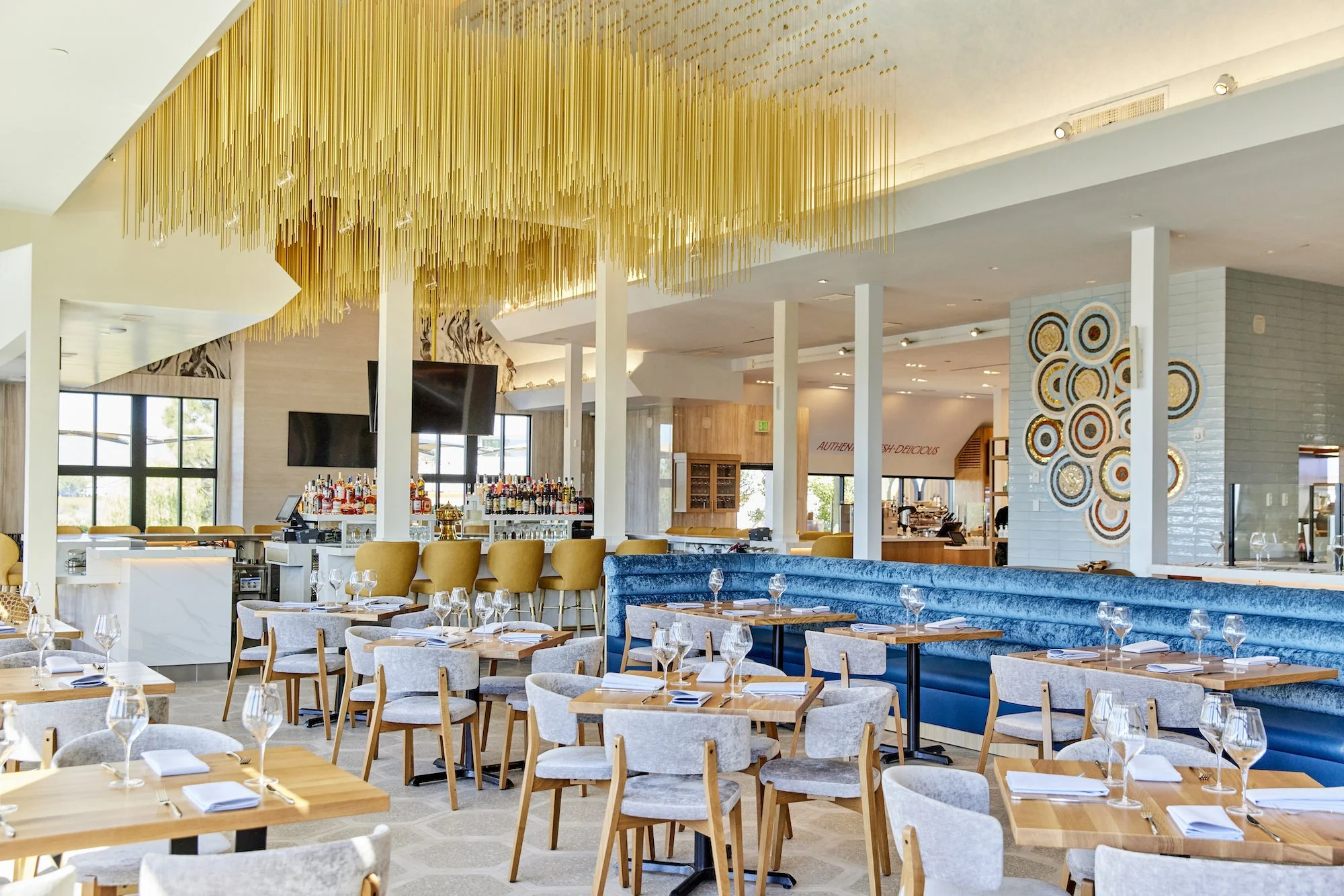
Figure 1: Bottega Angelina, Los Angeles - restaurant interior design by Kelly Architects, featuring an open, light-filled dining room that reflects contemporary hospitality design in Southern California.
At Kelly Architects, we work closely with restaurateurs and hospitality developers across Southern California, and we are seeing these shifts shape how successful restaurants are planned, built, and experienced. This article explores the key restaurant architecture trends defining Los Angeles and Southern California in 2026 - and what they mean for commercial restaurant projects.
Open-Air Restaurant Architecture and Indoor–Outdoor Flow
Southern California’s climate continues to be one of its greatest design assets. In 2026, restaurant architecture in Los Angeles is moving beyond traditional patio spaces toward fully integrated indoor–outdoor environments.
Design strategies increasingly include:
Retractable roofs and operable walls that dissolve boundaries between interior and exterior spaces
Floor-to-ceiling glass systems that maximize daylight and views
Seamless transitions between dining rooms, courtyards, and garden spaces
These open-air concepts are not only visually compelling but also improve ventilation, flexibility, and overall guest comfort - all critical factors in modern restaurant design. For commercial restaurant projects in Los Angeles, indoor–outdoor flow is now an expectation rather than a luxury.
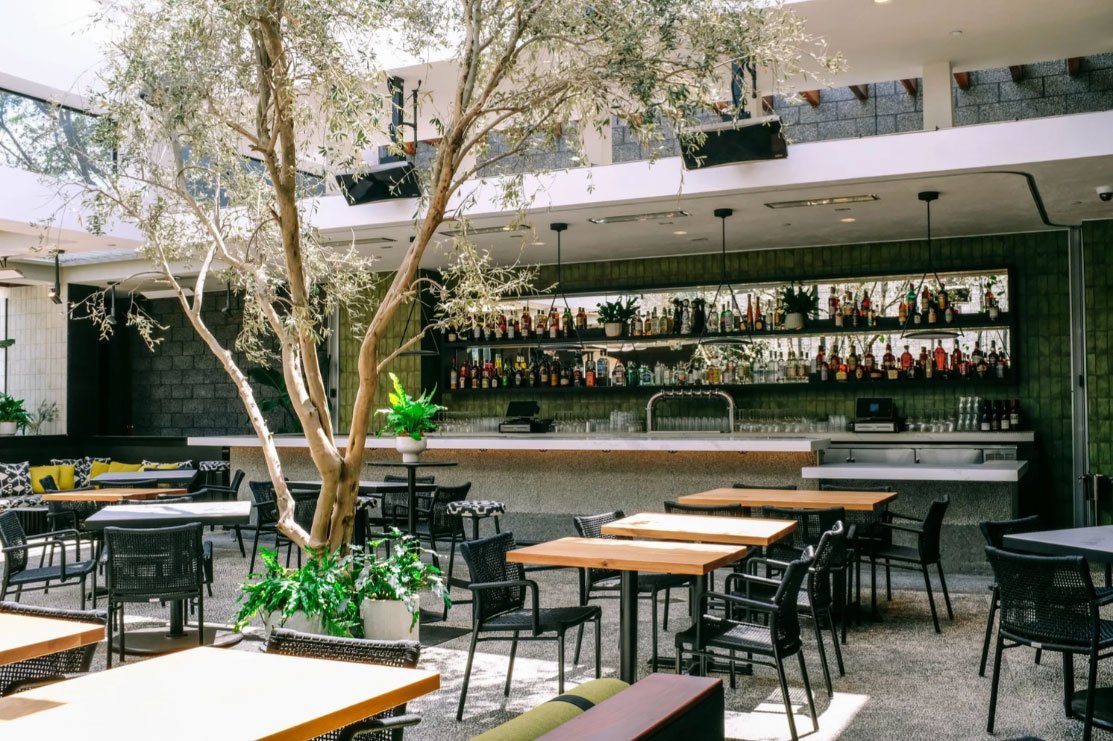
Figure 2: Soulmate (West Hollywood) showcases a prominent open-air dining area, illustrating indoor-outdoor hospitality design shaped by Southern California’s climate and landscape.
Sustainability as a Core Design Standard
Sustainability has become a defining element of restaurant architecture design in Los Angeles, driven by both regulatory pressures and evolving consumer values. In 2026, environmentally responsible design is no longer optional - it is fundamental.
Key sustainable strategies shaping Southern California restaurant projects include:
Reclaimed and recycled materials: Wood, metal, and glass reused to reduce waste while adding texture and authenticity.
Energy-efficient systems: Solar integration, high-performance HVAC, and smart lighting controls.
Water-conscious design: Drought-tolerant landscaping and low-flow fixtures tailored to California’s climate.
At Kelly Architects, sustainability is approached as both a design opportunity and a long-term operational advantage, helping restaurant owners reduce costs while aligning with eco-conscious guests.
Technology-Integrated Restaurant Spaces
Technology continues to reshape the dining experience, and restaurant architecture is evolving to support it seamlessly. In 2026, the most successful restaurant designs in Los Angeles integrate technology in ways that enhance - rather than dominate - the guest experience.
Architectural planning now accommodates:
Contactless service zones for pickup, delivery, and mobile ordering
Digital menu displays integrated into millwork and signage
Smart lighting and sound systems that adapt to time of day and occupancy
A forward-thinking restaurant design firm in Los Angeles understands that technology must remain discreet, supporting efficiency and experience without overwhelming the human element of hospitality.
Celebrating Local Craftsmanship and Identity
In response to increasingly globalized design trends, Southern California restaurants are emphasizing local identity and craftsmanship. In 2026, restaurant architecture in Los Angeles is grounded in storytelling, material honesty, and regional character.
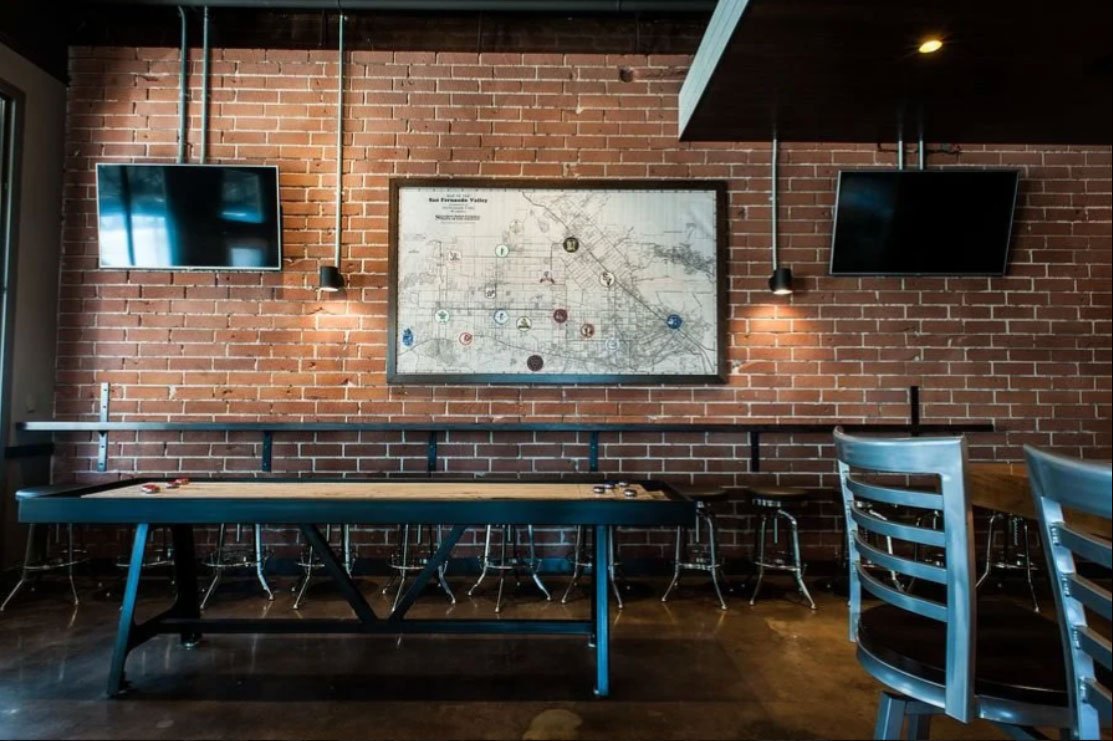
Figure 3: Public School 818, Los Angeles - restaurant interior design integrating graphic art, exposed materials, and digital displays, illustrating how technology and visual storytelling can be embedded into contemporary hospitality design.
This approach often includes:
Custom murals and artwork by local artists
Handcrafted furniture and architectural millwork produced by regional makers
Locally sourced materials that reflect Southern California’s cultural and natural landscape
By incorporating local craftsmanship, restaurant spaces gain authenticity and emotional resonance - creating environments that feel both distinctive and deeply rooted in place.
Los Angeles Restaurant Design: Leading by Example
Several Los Angeles restaurants already exemplify these architectural trends.
Soulmate (West Hollywood) features a large open-air patio that exemplifies the indoor -outdoor dining trend in Los Angeles restaurant design. Its layout, which integrates substantial outdoor seating with interior dining areas, reflects how hospitality architecture in Southern California leverages climate and landscape to shape the guest experience.
Gravitas (Beverly Hills) offers a refined example of contemporary hospitality design that balances strong branding with functional circulation. Its architectural clarity supports both guest experience and operational flow - a hallmark of successful commercial hospitality projects.
Together, these examples illustrate how thoughtful architecture shapes not only how a restaurant looks, but how it performs and feels.
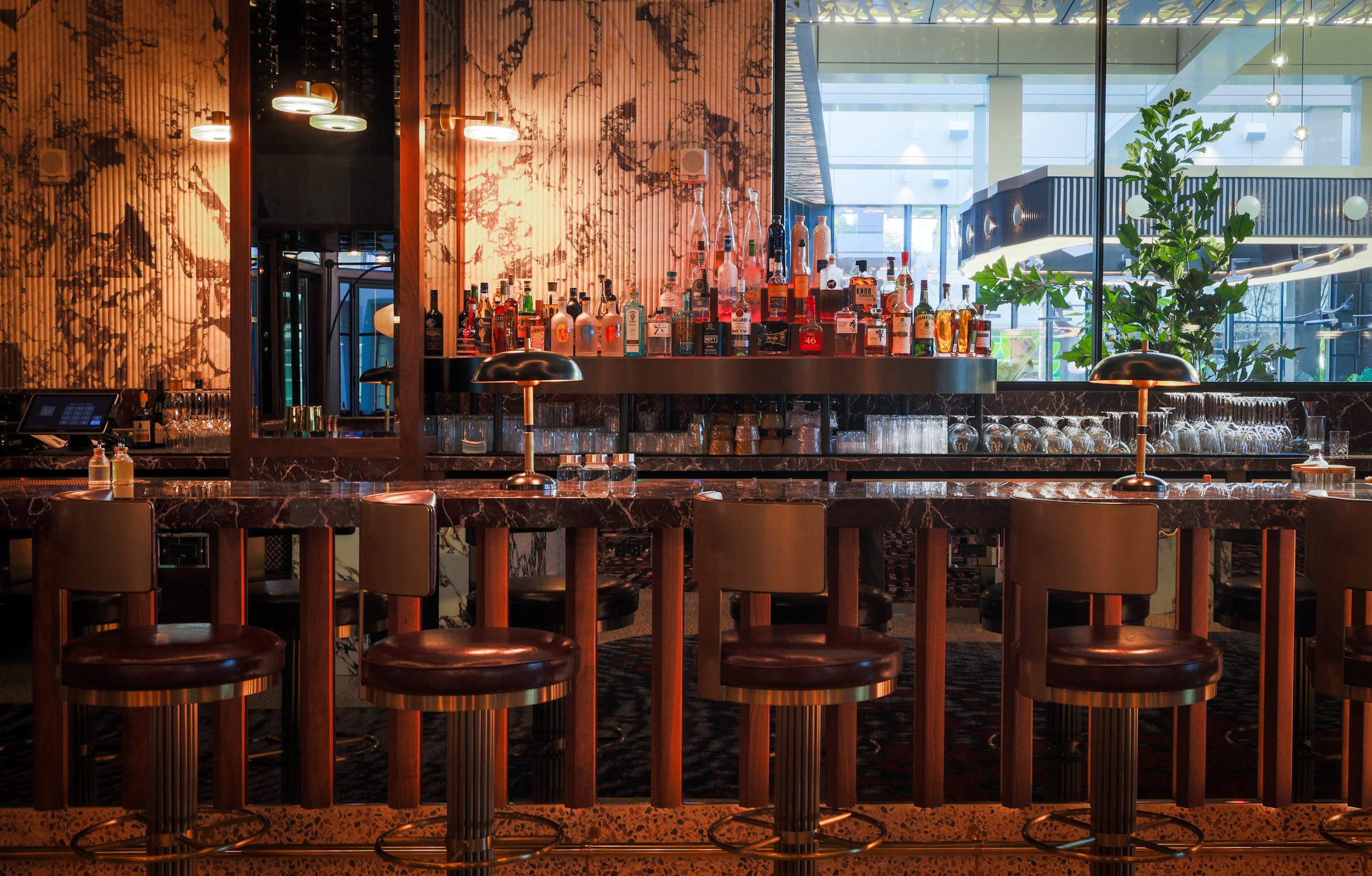
Figure 4: Gravitas (Beverly Hills) bar interior, defined by warm material tones, refined lighting, and a sculptural marble bar that anchors the space, balancing intimacy and openness within a contemporary hospitality setting
The Future of Restaurant Architecture in Los Angeles
As we look toward 2026, restaurant architecture in Los Angeles is defined by openness, sustainability, intelligent technology, and a strong sense of place. The most successful restaurants will be those that align design decisions with operational needs, community values, and evolving guest expectations.
For restaurateurs and developers seeking a commercial architecture firm in Los Angeles with deep experience in hospitality design, understanding these trends is a critical first step toward creating enduring, high-performing spaces.
Ready to Design the Next Generation of Restaurant Spaces?
Whether you are planning a new restaurant, renovating an existing space, or developing a hospitality concept in Southern California, Kelly Architects brings a strategic, design-driven approach to restaurant architecture and commercial interiors.
Contact Kelly Architects to discuss how thoughtful architecture can elevate your next restaurant project in Los Angeles.