
Bar and Nightclub Design Ideas That Maximize Capacity Without Sacrificing Style
Nightlife venues occupy a unique position within the hospitality landscape. Unlike traditional restaurants, bars and nightclubs must accommodate large numbers of guests within a limited footprint while maintaining a carefully crafted atmosphere. When capacity is not planned thoughtfully, spaces can quickly feel congested, affecting both guest experience and operational efficiency.

Figure 1: Tatel Restaurant and Bar, Beverly Hills, Los Angeles, designed by Kelly Architects, featuring a warm, intimate bar setting with rich wood finishes, ambient lighting, and a sophisticated contemporary hospitality aesthetic.
In cities such as Los Angeles, where nightlife culture plays an important role in the broader hospitality industry, architectural planning is central to the success of high-capacity venues. Effective bar and nightclub design in Los Angeles must balance spatial efficiency, circulation, lighting, and visual identity to create environments that feel energetic without becoming overcrowded.
At Kelly Architects, we work closely with hospitality operators and developers throughout Southern California, and one challenge consistently emerges in nightlife projects: how to maximize capacity while preserving the sense of style and comfort that defines a successful venue. The strategies below illustrate how thoughtful architectural planning can support both goals.
Spatial Planning and Circulation in Nightlife Architecture
The foundation of any successful bar or nightclub begins with clear spatial planning. Circulation paths determine how guests move through the venue, how easily they can access the bar, and how comfortably staff can operate during peak hours.
In high-capacity nightlife environments, circulation must remain fluid even when the venue is at full occupancy. Architects often achieve this by organizing the interior into primary and secondary pathways that guide movement throughout the space.
Wide central circulation zones, unobstructed routes between the bar and dance floor, and carefully positioned service areas help prevent bottlenecks. When these circulation patterns are integrated into the architectural plan from the beginning, the venue can accommodate larger crowds while maintaining a comfortable and intuitive flow.
For nightlife venues in Los Angeles, where large weekend crowds are common, circulation planning often becomes one of the most important aspects of hospitality architecture.
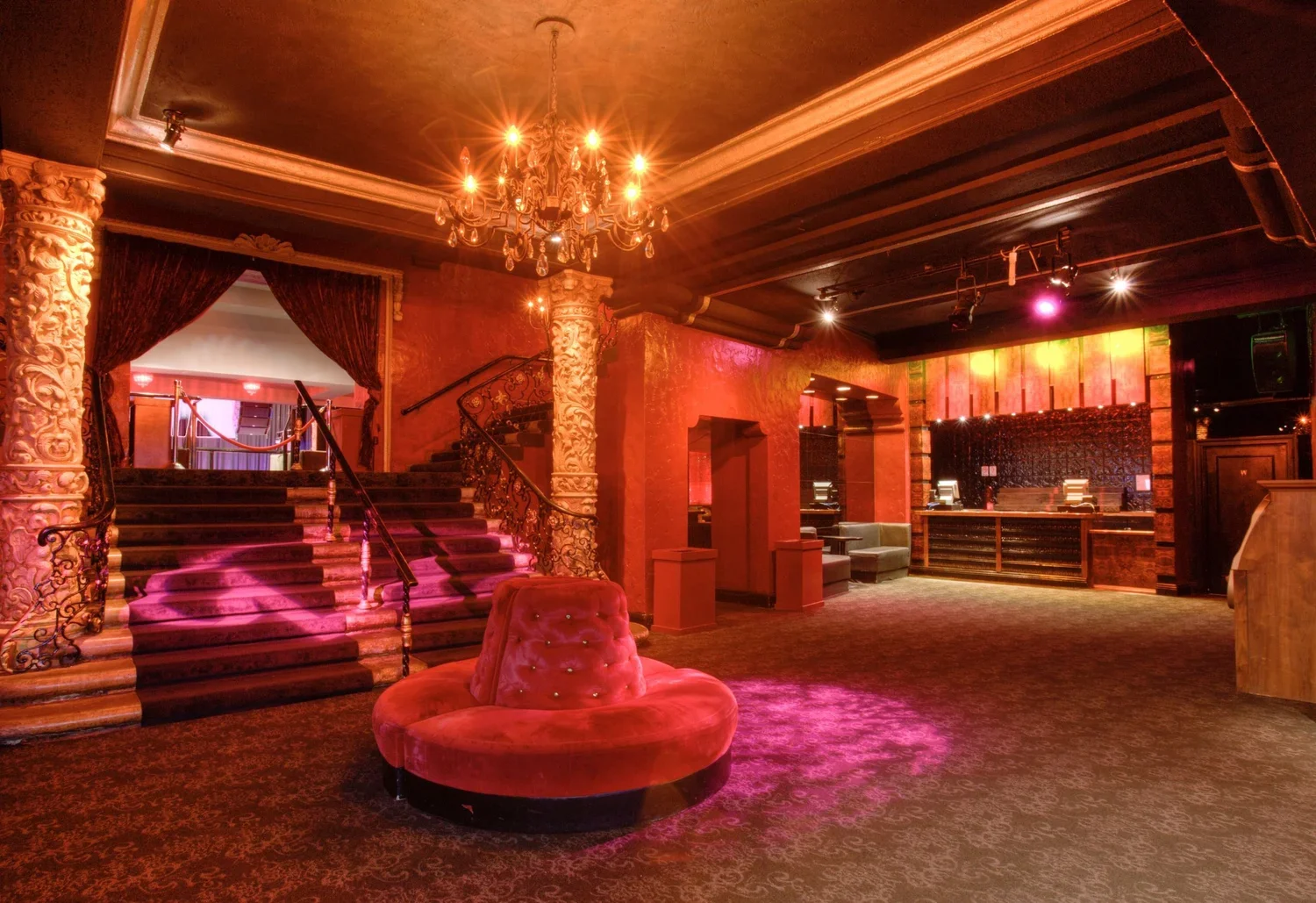
Figure 2: Grand interior of Avalon Nightclub, Hollywood & Vine, Los Angeles designed by Kelly Architects, featuring layered lighting, dramatic architectural detailing, and a multi-level layout that supports circulation and large guest capacity.
Using Vertical Space to Increase Capacity
One effective strategy for increasing guest capacity without sacrificing comfort is the use of vertical space. Multi-level seating platforms, elevated VIP booths, and stepped lounge areas allow designers to add seating while keeping the main floor open for movement.
This approach creates visual depth within the venue while also improving sightlines across the room. Guests seated in elevated areas maintain views of the dance floor or performance space, while the primary circulation zones remain clear below.
Vertical layering also contributes to the architectural identity of the venue. In nightlife design, these spatial levels often help organize the room into distinct zones while reinforcing the overall aesthetic of the space.
Restaurant architects in Los Angeles frequently use this strategy in high-capacity hospitality environments where maximizing usable space is essential.
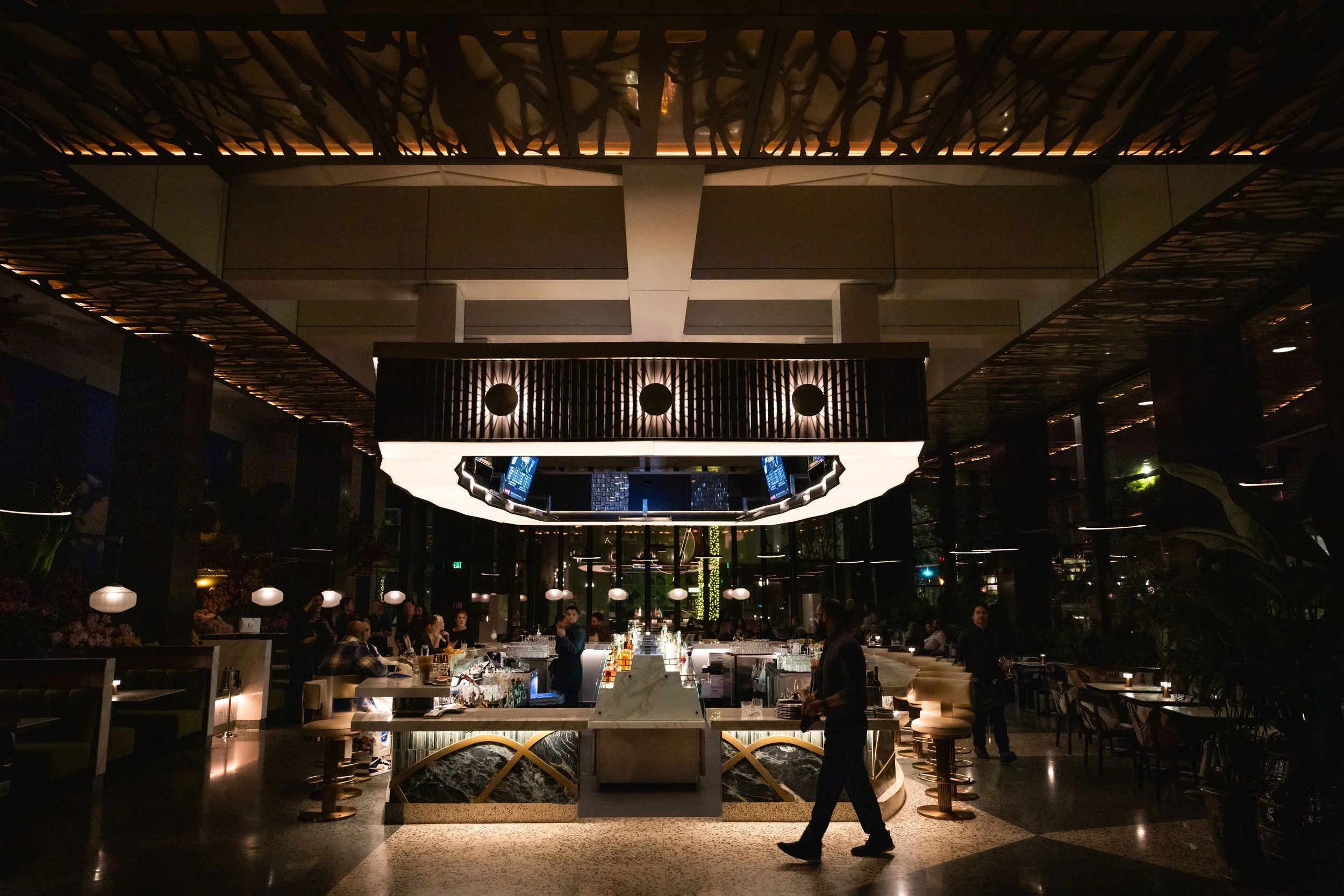
Figure 3: Gravitas Beverly Hills main bar designed by Kelly Architects, featuring a central island bar, layered lighting, and spatial organization that supports circulation in a high-capacity hospitality environment
Flexible Furniture and Adaptable Layouts
Nightlife venues rarely operate the same way throughout the entire evening. Early service may involve seated guests enjoying cocktails, while later hours may bring standing crowds and active dance floors.
Flexible furniture systems allow the space to adapt to these changing conditions. Modular seating, movable tables, and adaptable lounge arrangements enable operators to modify the layout without altering the architectural structure.
This adaptability supports both operational efficiency and spatial comfort. Instead of permanently dedicating large areas to fixed seating, designers create environments that can shift between seating and standing configurations as the evening progresses.
For bar design projects in Los Angeles, flexibility has become an increasingly important component of hospitality architecture.
Bar Placement and Operational Efficiency
In most nightlife venues, the bar functions as both a visual focal point and the primary revenue generator. Its placement within the layout must support high service volume while minimizing congestion.

Figure 4: Bar at Sayers Club in Los Angeles, designed by Kelly Architects, illustrating clear bar visibility, an efficient service layout, and a back bar design that supports high-volume hospitality environments.
Architects often position bars so that they are visible from multiple points in the venue. Clear sightlines help guests locate service areas quickly, reducing unnecessary crowding.
Operational planning behind the bar is equally important. Adequate workspace for bartenders, efficient access to storage and refrigeration, and well-organized service zones allow staff to maintain speed and consistency during busy periods.
Commercial hospitality architects in Los Angeles frequently collaborate with operators during the planning phase to ensure that the bar layout supports both guest experience and operational workflow.
Lighting as a Tool for Spatial Organization
Lighting plays a critical role in shaping the atmosphere of nightlife venues, but it also influences how guests move through the space.
In well designed bars and nightclubs, lighting is often layered to create subtle visual cues that guide movement. Brighter lighting near entrances and service areas helps direct guests toward key destinations, while softer lighting within lounge areas encourages guests to remain and socialize.
Architectural lighting can also help define circulation routes. Subtle floor lighting or integrated fixtures along pathways provide orientation without interrupting the visual character of the space.
Hospitality design firms in Los Angeles often use lighting strategically to support both atmosphere and spatial organization within nightlife venues.

Figure 5: Interior of Avalon Nightclub, designed by Kelly Architects, featuring layered lighting and illuminated architectural elements that guide circulation while creating an intimate lounge atmosphere.
Creating Distinct Zones Within High-Capacity Venues
Large nightlife environments can become overwhelming without clear spatial organization. Dividing the venue into distinct zones allows guests to navigate the space more comfortably while distributing crowds evenly.
Typical nightlife zones include:
central dance floors or performance areas
lounge seating sections
VIP spaces
bar service areas
outdoor patios or terraces
These zones are often defined through architectural cues such as changes in floor material, ceiling height, lighting intensity, or furniture arrangement.
Restaurant interior design projects in Los Angeles frequently use these strategies to create environments that feel both expansive and structured.
Visual Identity and the Nightlife Experience
Beyond functionality, successful nightlife venues rely on strong visual identity. Architectural elements such as sculptural lighting fixtures, custom millwork, and distinctive material palettes help define the character of the space.

Figure 6: The Edison in Los Angeles illustrating how lighting, industrial materials, and layered architectural elements create a strong visual identity within nightlife environments.
In many contemporary nightlife projects, designers incorporate focal points that anchor the visual experience of the venue. Dramatic bar backdrops, statement ceilings, and architectural lighting installations often become central features that shape how guests perceive the environment.
These elements contribute not only to atmosphere but also to brand identity. A well designed nightlife space becomes recognizable and memorable, reinforcing the venue’s place within the broader hospitality landscape.
Nightlife Design in Los Angeles
Los Angeles continues to influence hospitality design across the United States, particularly in nightlife environments where architecture, entertainment, and social experience intersect.
Successful bars and nightclubs in Southern California often combine strong architectural identity with efficient spatial planning. By balancing circulation, capacity, lighting, and visual character, these venues demonstrate how thoughtful design can support both guest experience and operational performance.
For hospitality developers and operators planning nightlife venues in Southern California, architectural planning remains one of the most important investments in long-term success.
Designing High-Capacity Venues with Architectural Clarity
As nightlife venues evolve, the ability to accommodate large crowds without sacrificing atmosphere has become increasingly important. Effective bar and nightclub design requires a careful balance of spatial efficiency, operational planning, and architectural identity.
When circulation, lighting, and layout are carefully considered, high-capacity venues can remain comfortable, visually compelling, and operationally efficient.
For hospitality operators exploring new bar or nightclub concepts in Los Angeles, thoughtful architectural design provides the foundation for spaces that perform well while maintaining the distinctive character that defines successful nightlife destinations.
Planning a bar or nightclub in Los Angeles? Our team helps operators navigate design, permitting, and construction from concept to opening. Contact Kelly Architects to discuss your project.