
From Concept to Opening Night: How Early Design Decisions Shape Successful Restaurants and Bars
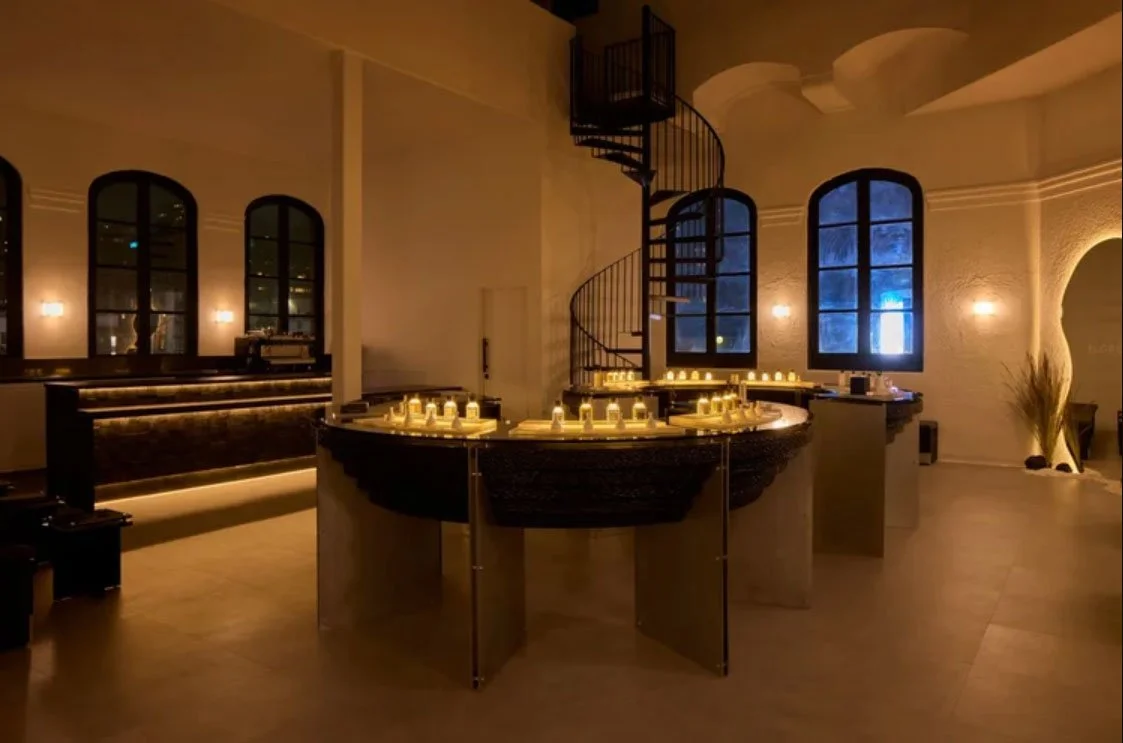
Figure 1: Elora - Early architectural planning helps create hospitality spaces that feel immersive, welcoming, and operationally seamless from the moment guests arrive.
Opening a restaurant or bar involves far more than choosing finishes or arranging tables. Long before the first guest walks through the door, early design decisions begin shaping how the space will actually function during a busy service night. The layout influences how staff move, how comfortable guests feel, and how efficiently the entire operation runs from opening to close.
At firms like Kelly Architects, the planning process is approached with both hospitality experience and operational practicality in mind. A well-designed space should not only feel visually cohesive, but also support the rhythm of real restaurant service. When the foundation is planned carefully, the result is often a venue that feels effortless to guests while functioning smoothly behind the scenes.
Concept to Blueprint: Early Decisions That Shape the Entire Experience
Every successful hospitality project starts with a strong concept, but translating that idea into a physical environment requires much more than aesthetics alone. The early planning phase is where long-term operational success is often determined.
Defining the Brand Identity and Guest Experience
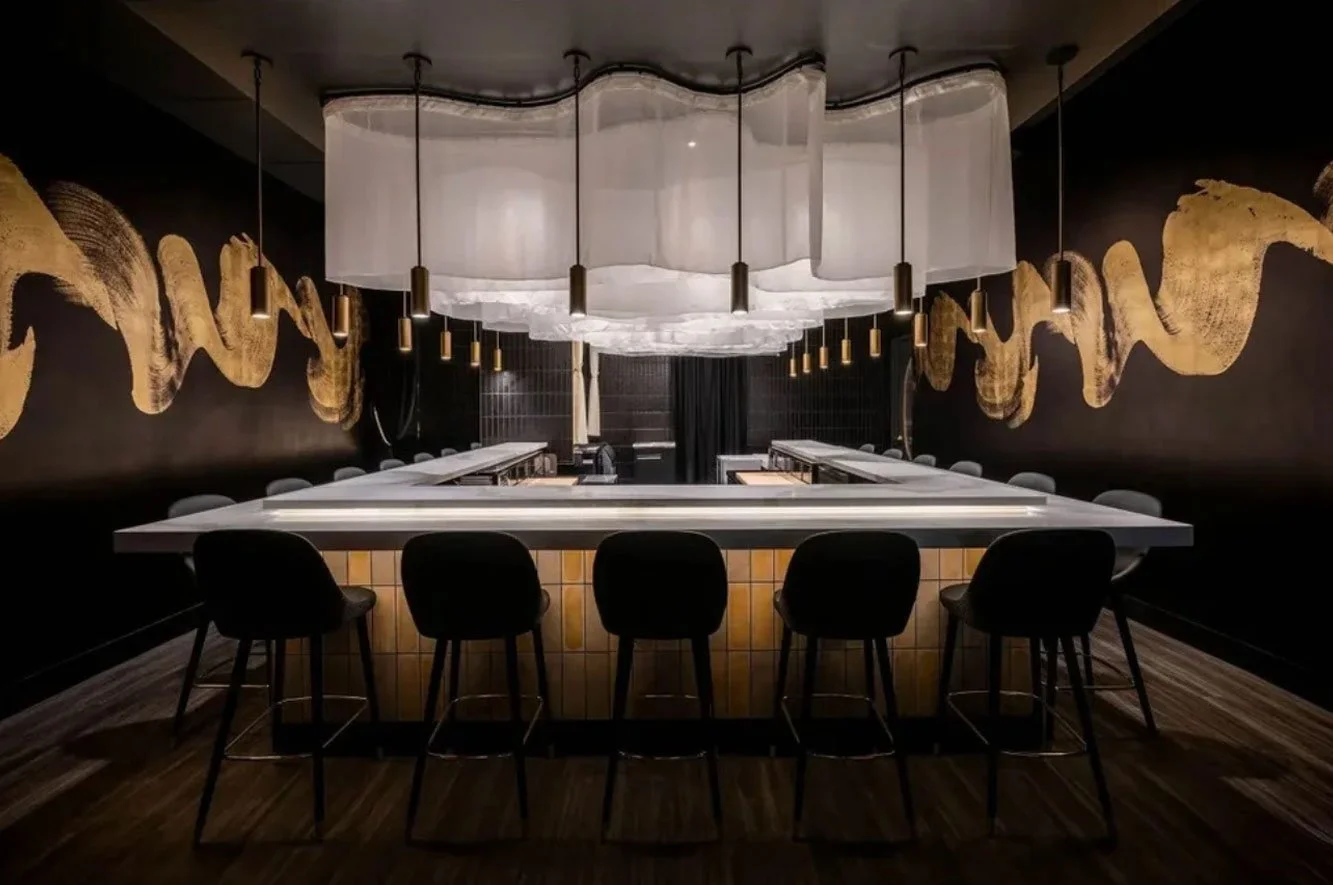
Figure 2: Nori Kaya - Lighting, material contrast, and intimate seating work together to create a hospitality experience with a strong and memorable identity.
A restaurant’s atmosphere should reflect the type of experience the owner wants guests to have from the moment they arrive. Lighting, textures, music levels, seating density, and material choices all quietly influence how people feel in the space. A casual neighborhood cocktail bar requires a very different energy than an upscale dining room or fast-paced hospitality venue.
Understanding the target audience early allows designers to shape the environment in a way that feels authentic rather than overly staged.
Planning the Space Around Real Hospitality Operations
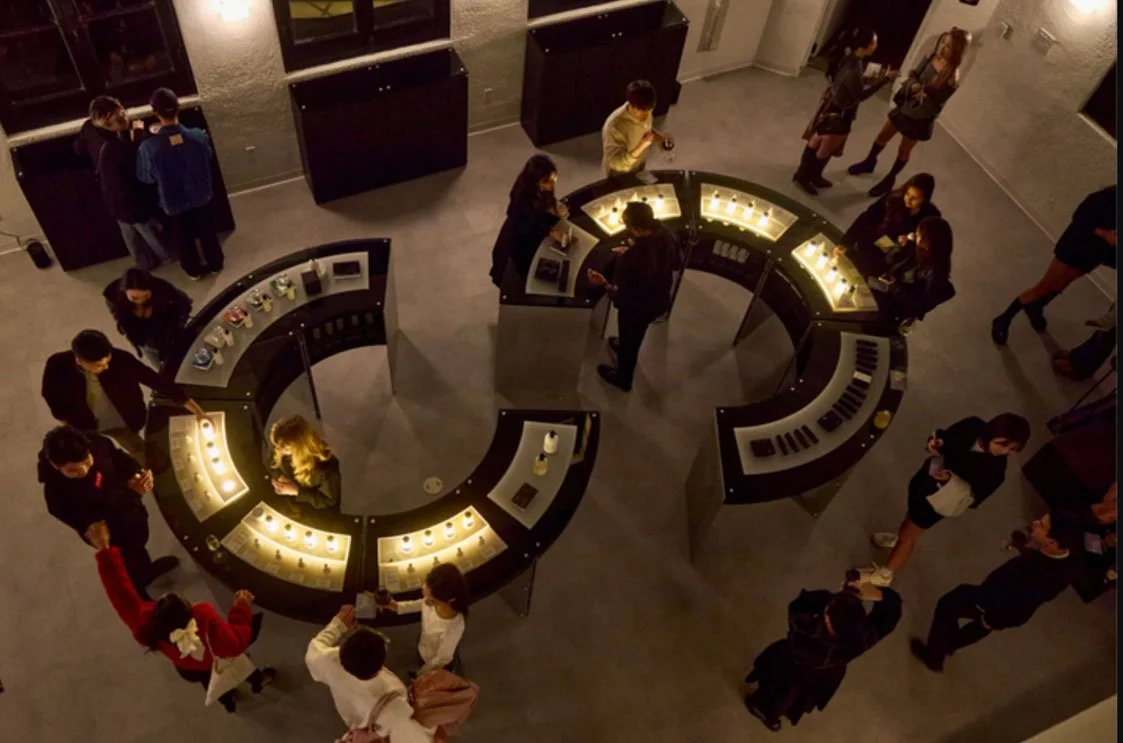
Figure 3: Elora - Clear circulation and thoughtfully organized layouts allow guests to move naturally through the space while supporting a smooth operational flow.
Efficient space planning is one of the most important aspects of hospitality architecture in Los Angeles. A layout may look beautiful on paper, but if servers constantly cross paths during dinner service or bartenders struggle with limited workspace, operations quickly become stressful. Successful hospitality layouts usually consider: • Clear guest circulation near entrances, host stands, and restrooms • Flexible seating arrangements that accommodate different group sizes • Comfortable spacing between tables without sacrificing capacity • Efficient kitchen flow between prep, cooking, plating, and pickup stations • Practical service pathways that reduce unnecessary staff movement
Material Selection and Long-Term Durability
Hospitality environments experience constant wear throughout the day. High-traffic flooring, bar surfaces, seating materials, and fixtures all need to balance durability with atmosphere. The strongest hospitality spaces are usually the ones that age gracefully over time rather than feeling over-designed or trend-driven.
Creating the Right Atmosphere Through Interior Design
Guests begin forming impressions within seconds of entering a restaurant or bar. The atmosphere influences whether people settle in comfortably for a long dinner, stay for another round of drinks, or decide to leave quickly. Thoughtful restaurant interior design in Los Angeles often focuses on balancing comfort, energy, acoustics, and visual identity without making the space feel forced.
Experienced teams specializing in Commercial interior design in Los Angeles help hospitality spaces feel cohesive while still supporting the practical demands of daily service.
Several design elements work together to shape the overall experience: • Lighting: Softer lighting can create a more intimate atmosphere, while brighter environments often encourage quicker turnover. • Seating Variety: A mix of booths, banquettes, communal tables, and bar seating allows the space to feel more flexible throughout the day. • Acoustics: Sound control is often overlooked, especially in open-ceiling restaurants where noise can quickly become overwhelming during peak hours. • Material Palette: Wood, stone, textiles, metal, and glass each influence how warm, energetic, or refined the environment feels. • Indoor-Outdoor Flow: In Los Angeles hospitality environments, patios and transitional spaces often become a major part of the guest experience.
Designing Kitchens and Bars for Efficiency
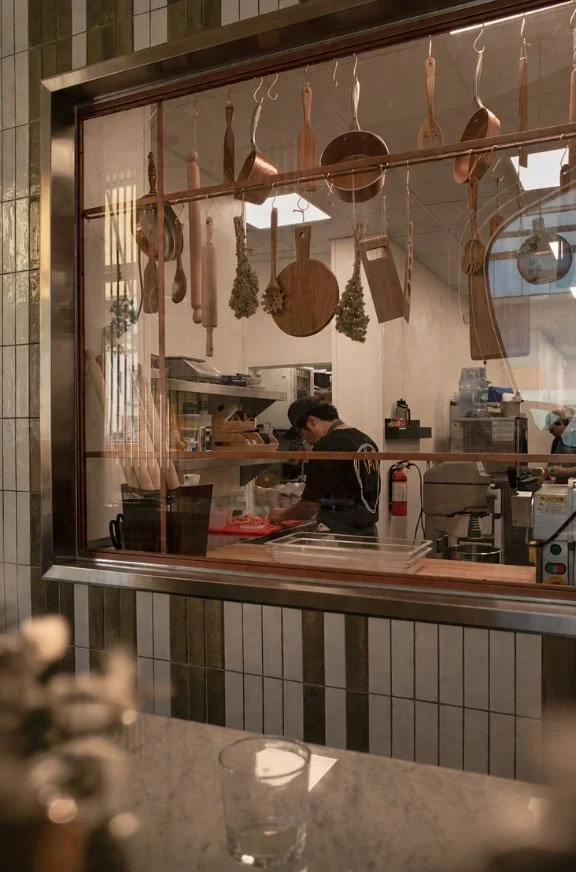
Figure 4: La La Paba - Open kitchen visibility and efficient prep circulation help support a smoother and more connected hospitality experience during service.
Operational efficiency behind the scenes directly affects customer experience. When kitchens and bars are poorly planned, delays, bottlenecks, and staff frustration become unavoidable during busy service periods.
Restaurant kitchens need logical circulation between prep stations, cooking lines, plating areas, storage, and dishwashing. Even relatively small adjustments can significantly improve workflow during high-volume service.
Bar layouts require the same level of planning. Ice wells, glass storage, garnish stations, POS systems, and refrigeration all affect how quickly bartenders can work without constantly crossing into one another’s space. In many hospitality venues, the bar becomes one of the most operationally demanding areas in the entire project.
Experienced hospitality architects understand that operational flow is just as important as aesthetics. A well-designed back-of-house layout helps staff move naturally and reduces unnecessary friction during service.
How Design Decisions Affect Profitability
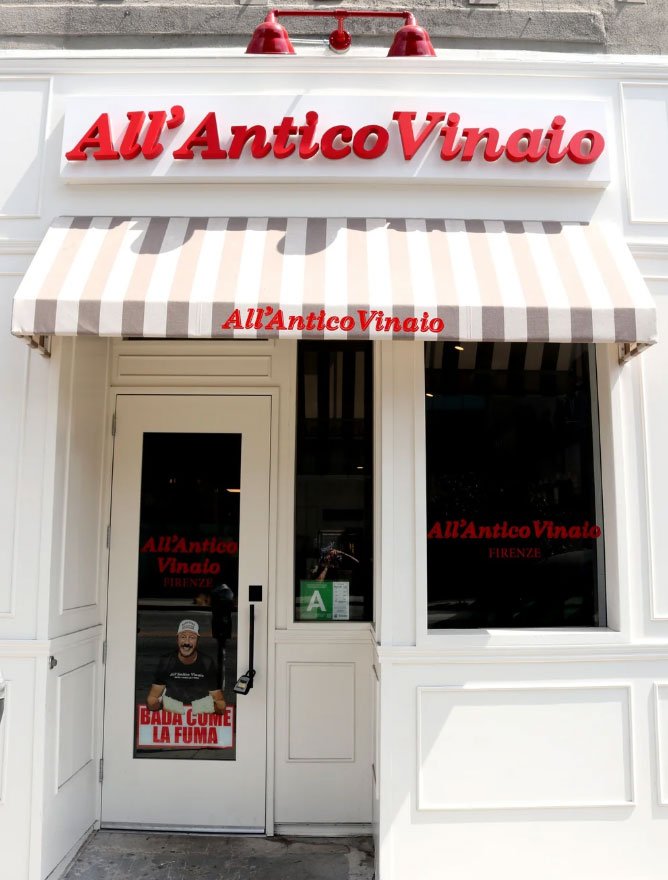
Figure 5: All’Antico Vinaio - Strong visual identity and storefront design help hospitality spaces become instantly recognizable.
Good hospitality design supports business performance in ways guests may never consciously notice.
A comfortable dining environment encourages guests to stay longer and return again. A clear circulation plan allows staff to move more efficiently. Better acoustics improve conversations. Well-planned seating layouts help maximize capacity without making the space feel crowded.
Thoughtful design can also create naturally marketable moments. Guests regularly share restaurant interiors online, particularly spaces with strong lighting, atmosphere, and memorable focal points. In many cases, the environment itself becomes part of the venue’s marketing.
Investing in Strong Hospitality Design From the Beginning
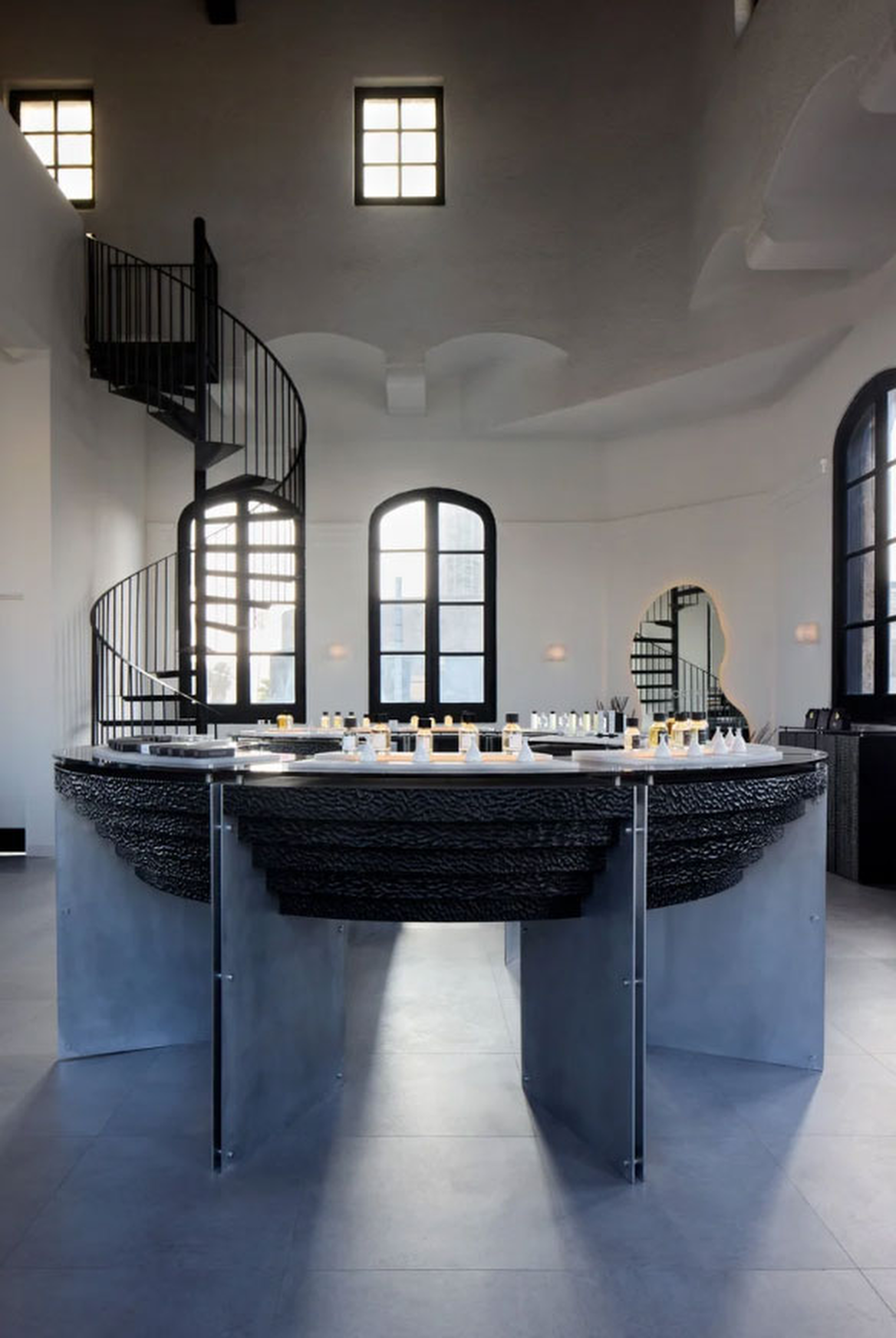
Figure 6: Elora - Strong hospitality design balances atmosphere, circulation, and long-term functionality to create spaces that remain visually compelling and operationally effective over time.
Some of the best restaurant and bar environments feel effortless to guests, but behind that experience is usually a tremendous amount of planning. Early architectural decisions influence operations long after opening night, affecting everything from staff workflow to customer comfort and long-term maintenance. Working with an experienced hospitality architecture team can help owners avoid costly operational problems later while creating spaces that feel welcoming, functional, and aligned with the brand itself.
To explore more hospitality projects and restaurant architecture work, visit Kelly Architects: https://www.kelly-architects.com/