
Why Concept Design Is the Foundation of Every Successful Commercial Project
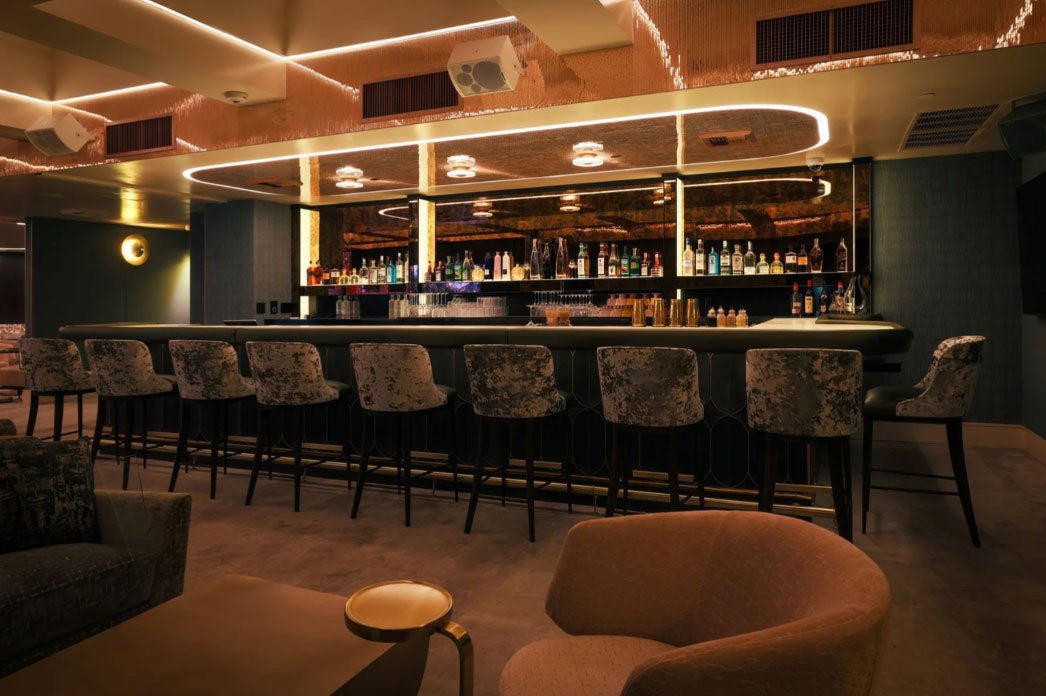
Figure 1: The spatial hierarchy at Gravitas was established before a single detail was drawn. Concept design determined how guests move through the room, where attention lands, and how the environment reinforces the brand's position in the market.
When a commercial or hospitality project moves through the approval process quickly, it rarely happens by accident. Behind that efficiency is a concept design phase that was done with rigor - one that gave city planners, investors, and stakeholders a clear, cohesive picture of what was being built and why it mattered.
As a commercial architecture firm in Los Angeles, Kelly Architects has seen what separates projects that sail through approvals from those that stall in revision cycles. It comes down to how seriously the concept phase is treated.
Vision before everything else
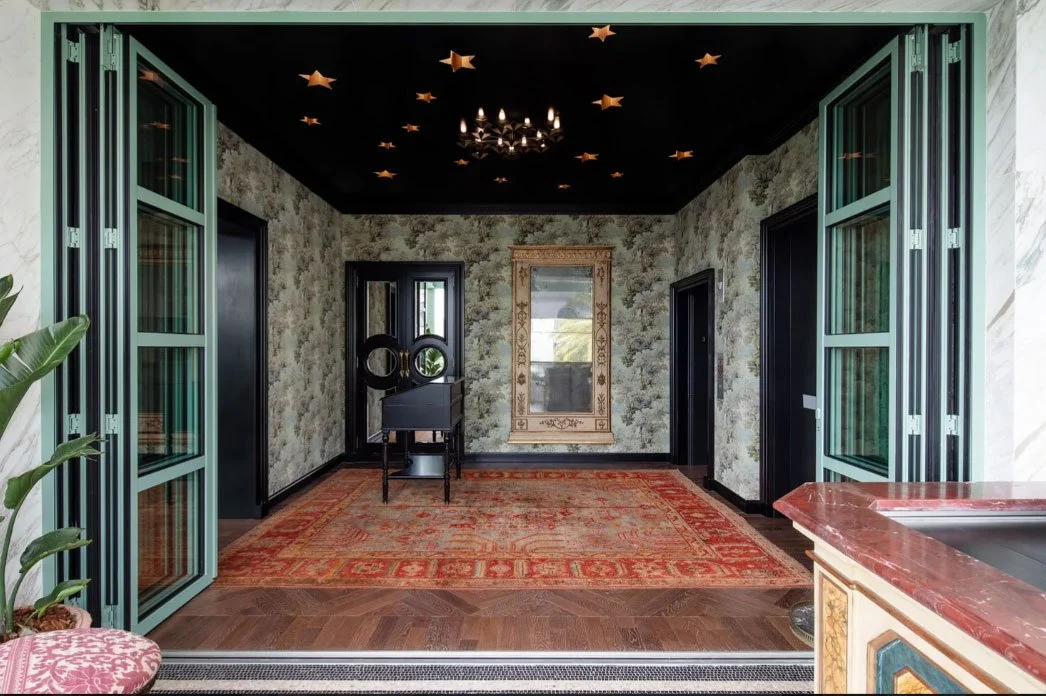
Figure 2: Luxury retail architecture has no margin for ambiguity. The concept for this Gucci location defined the balance between restraint and presence - letting the architecture recede where needed and assert itself where it counted.
The concept phase is where a project's identity is established. Not just what it looks like, but what it means - how it should feel to walk through the door, what it communicates about the brand behind it, and how it fits into its neighborhood and context.
For Kelly Architects, this work is deeply collaborative and deeply specific. When designing Gravitas Beverly Hills, the concept had to reflect a level of refinement that matched the brand's standing in the market. Every spatial decision - ceiling height, material palette, the relationship between the bar and dining room - was anchored to that identity from day one. The same principle drove the design of the Gucci location, where the architecture needed to feel unmistakably luxurious without competing with the product itself.
This kind of clarity doesn't just produce better buildings. It accelerates approvals. When a concept package presents a cohesive, well-reasoned argument for a design, review boards and planning departments spend less time asking questions and more time moving forward.
Coordination that prevents expensive surprises
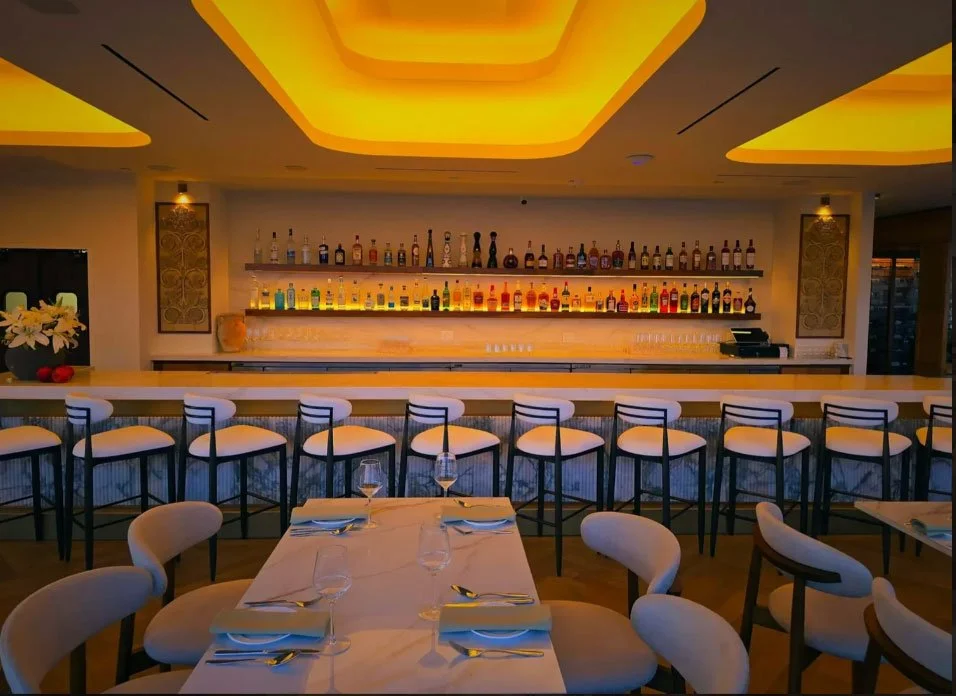
Figure 3: Early coordination between disciplines meant the final design at Perse reflects intentional decisions, not compromises. Structure, light, and material work together because they were considered together.
A commercial project in Los Angeles involves a lot of moving parts: structural engineers, MEP consultants, interior designers, landscape architects, permitting specialists. If those disciplines are brought in late, conflicts emerge - and conflicts mean change orders, delays, and cost overruns.
The alternative is coordination from the start. On projects like Soulmate and Bellwether, Kelly Architects integrated input from multiple specialists during the concept phase, not after design development was complete. That early alignment meant structural realities were designed around, not discovered mid-construction. It meant mechanical and lighting systems were considered as part of the architecture, not retrofitted into it.
Building information modeling plays a role here, but the real factor is culture - a commitment to treating the concept phase as a team effort rather than a solo architectural exercise.
Detailing that earns trust
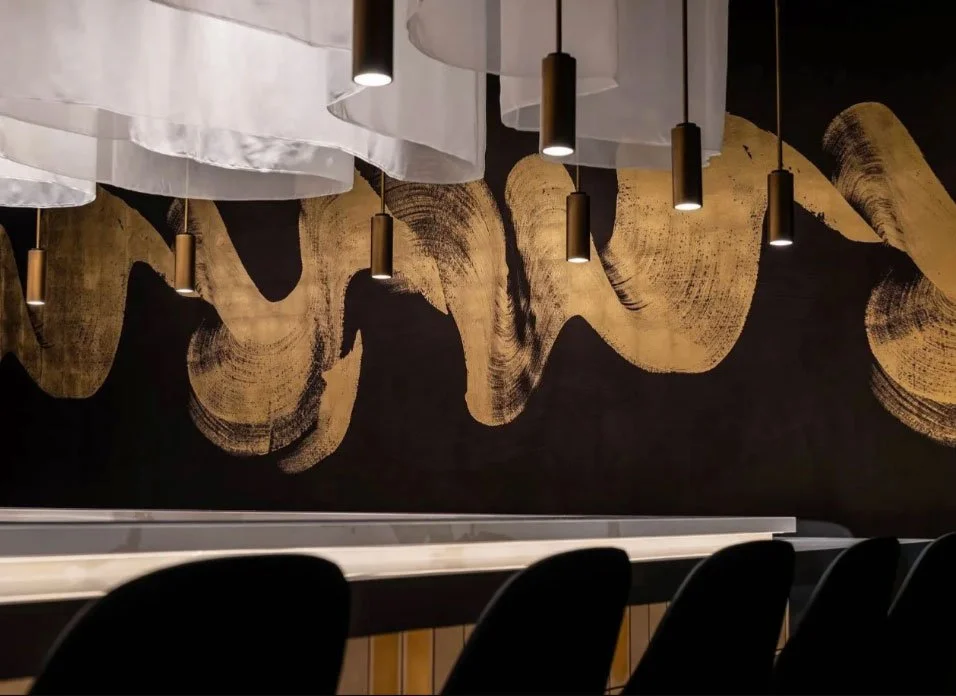
Figure 4: The atmosphere at Norikaya comes from details resolved during concept - the quality of light, the acoustic character of the room, the way materials age and respond to use. These aren't finishing touches. They're foundational choices.
A concept package that stays at the level of mood boards and massing diagrams leaves too many questions unanswered. Approving authorities, clients, and contractors all need to see that the team has thought beyond the idea - that the material choices are real, the structural approach is feasible, and the budget implications are understood.
Early detailing isn't about resolving every detail prematurely. It's about demonstrating command of the project. When Kelly Architects presented the concept for Lapaba, the depth of the package - specific material references, spatial sequencing, custom fixture approaches - gave the client confidence and gave the design a fighting chance in the approval process.
The details also define the experience. The difference between a memorable space and a forgettable one often lives in choices that seem minor on paper: the texture of a wall surface, the acoustic quality of a ceiling, the way light hits a bar top at 7pm. Projects like Norikaya and Elorea succeeded in part because those decisions were made deliberately, not by default.
What a strong concept package looks like
A concept package that supports a smooth approval process typically includes: detailed visualizations and rendered perspectives, preliminary floor plans with spatial logic clearly expressed, material and finish specifications, a clear narrative connecting the design to the client's brand and program, and documentation showing compliance with zoning and building code requirements.
This last point - proactive code research - is one of the most overlooked aspects of concept design. Los Angeles has specific and often complex requirements around use classifications, accessibility, fire egress, and neighborhood-level zoning overlays. A commercial architecture firm in Los Angeles that understands those requirements before submitting a package avoids the revisions that derail timelines.
The return on investing in concept design
The concept phase costs time and focused effort. It is also where the leverage is highest - where a well-made decision costs nothing to implement but could save weeks or months later.
For clients considering a commercial or hospitality project in Los Angeles, the question isn't whether to invest in concept design. It's whether to work with a team that treats it as the foundation it actually is.
Kelly Architects does. Contact us to talk about your project.